All Categories
Featured
Table of Contents
- – Camper Repair Shop Brea, CA
- – OCRV Center
- – Camper Repair And Service Brea, CA
- – Rv Camper Repair Near Me Brea, CA
- – Camper Roof Repair Brea, CA
- – Camper Repair Shop Near Me Brea, CA
- – Camper Awning Repair Brea, CA
- – Pop Up Camper Canvas Repair Brea, CA
- – Camper Awning Repair Brea, CA
- – Camper Repair Shop Near Me Brea, CA
- – Camper Repair Brea, CA
- – Pop Up Camper Roof Replacement Brea, CA
- – Camper Repair Brea, CA
- – OCRV Center
Camper Repair Shop Brea, CA
A lot of campers around us had their awnings released. We returned home yesterday in the rainfall, so today I released the awnings to dry them out.
It shows up that about 18 to 24 inches of the steel extrusion (gutter) that the awning is glided into has drawn away from the wall surface and twisted a little bit - Camper Trailer Repair Brea. I'm presuming the repair will entail replacing that entire size of rainfall gutter (10 feet?) and possibly utilizing larger scale screws to replace those that were drawn out
We have actually got damaged brackets on our camper awning. 2 months ago, we had a negative tire blow-out that caused a curved axle, significant repair work, and so on, and we wonder if the brackets cracked/broke throughout the bouncy ride prior to we understood the axle was in trouble. We have not had the awning out since it remained in the shop to be repaired.
Camper Repair And Service Brea, CA
The awning itself, springtime mechanism, and so on, is fine. The rear bracket assembly is great, but the front one is split at the bottom and totally damaged through at the top, so that the leading assistance arm no longer fastens to the camper.
Even the actual support arms are intact. They are white steel (? The real arms are totally normal/functionalI'm just desiring to make sure we're not being taken in out of our desperation (Camper Trailer Repair Brea).
Rv Camper Repair Near Me Brea, CA
Are they that brand-specific and exclusive that if one piece is broken it has to be entirely changed? The recreational vehicle is a 2007, however we had rain damage in 2010 and the entire awning was brand-new at that time. If absolutely nothing else, we would like advice regarding exactly how we can "jerry rig" this for some time - perhaps even obtain us through the summertime - without needing to place in an all new awning! We remain in a really major bind since we have a journey prepared in mid June that is not optional and can not be transformed or postponed.
If we need to go awning-less, we will, yet I 'd instead find a fast and reliable remedy. Any person? Please!.
!! I'm on step 5 of changing the roof of my '93 Fleetwood Jamboree Searcher motorhome. In order to remove the 4th one, I require to get rid of the Motor home awning.
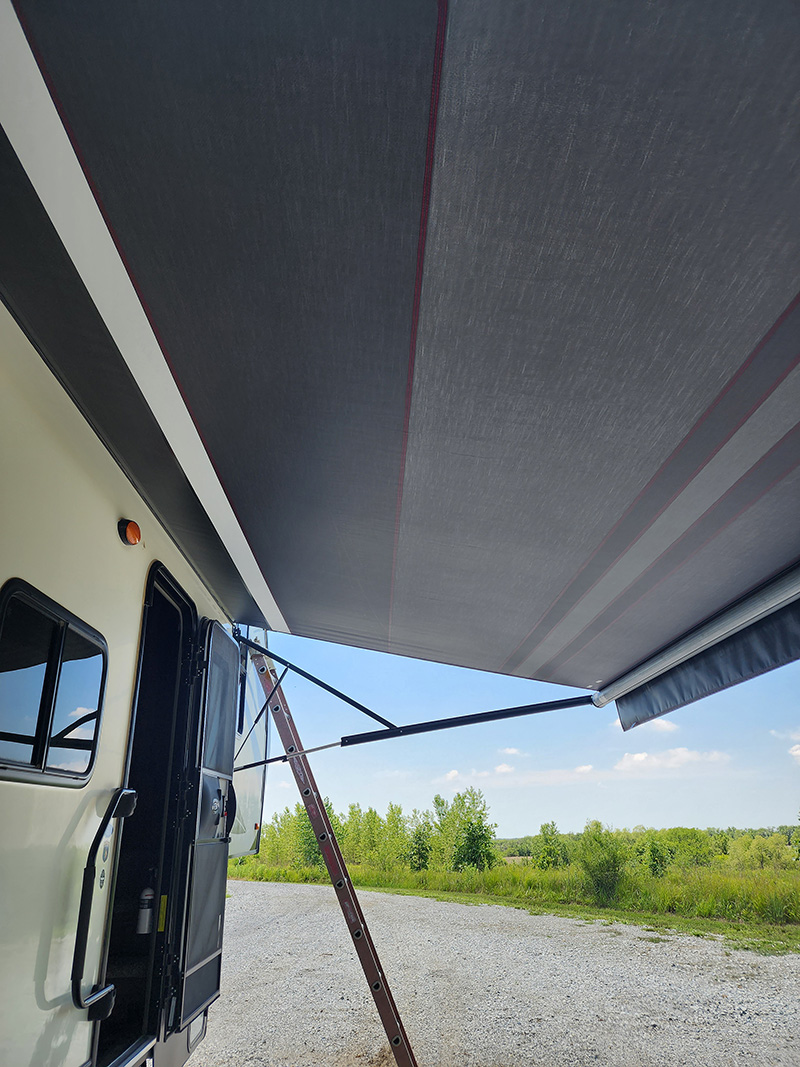
In order to change the rubber roof and roofing system outdoor decking, I need to eliminate the awning. My Recreational vehicle awning has legs which pivot at the base but can be removed to establish on the ground.
Camper Roof Repair Brea, CA
You'll likewise observe exactly how the bracket is hooked on top of the trim molding that holds back the fiberglass panel in the back corner. That's why the awning needs to find off first prior to the last steps of this blog post (subjecting the front and back edges of the roof covering outdoor decking).
Right here's a detail of how the awning placing braces are screwed right into the camper. I didn't actually need to do this step till the awning got on the ground yet I observed this set screw here holding the awning canvas into the awning rail (there's an additional at the right end of the awning.) I went in advance and unscrewed it.
Once both screws are eliminated, merely pull back on the bracket. Loosening the large lag screws that hold the RV awning placing braces to the camper (with a socket wrench) Removing the installing bracket once the lag screws have been unscrewed. Keep in mind just how this end was hooked over the termination bar that seals the spherical corner at the rear of the roofing system.
Both lag screws eliminated from the awning placing brace on the. Eliminating the mounting bracket of the awning.
Camper Repair Shop Near Me Brea, CA
To replace the roofing system, this awning bar requires to be gotten rid of. Here's a consider the round network at the end of the awning rail. The canvas for the awning slides right into this track. Directs! If you're just changing your awning and not repairing the entire roofing like me, after that you wouldn't need to get rid of the awning rail.
Dropping the legs a couple of notches to lower the entire awning. Currently I can reach this trim molding (the awning rail) conveniently. Currently it's similar to getting rid of the side trim molding beyond of the camper. Take out the vinyl insert that covers the screw heads (you might need to cut the end with an utility knife if it is tucked under the rail) and after that simply pull it out.
You might have to reduce the end with an utility blade if it is wrapped under. Simply pull it out!
Once the screws were out I started spying up the awning rail. (There will be some butyl tape or putty sticking it to the rubber below.) DIRECTS! Once I started to pry off the awning rail, the entire point all of a sudden broke off and rolled up into the awning like a window blind.
Camper Awning Repair Brea, CA
Feel in one's bones it's coming! As soon as the screws are eliminated, the awning rail can be pried up. You can see the edge of the rubber roof that was secured under it. Once you begin drawing the awning rail away it will all of a sudden break totally free and roll up like a window blind with the awning.
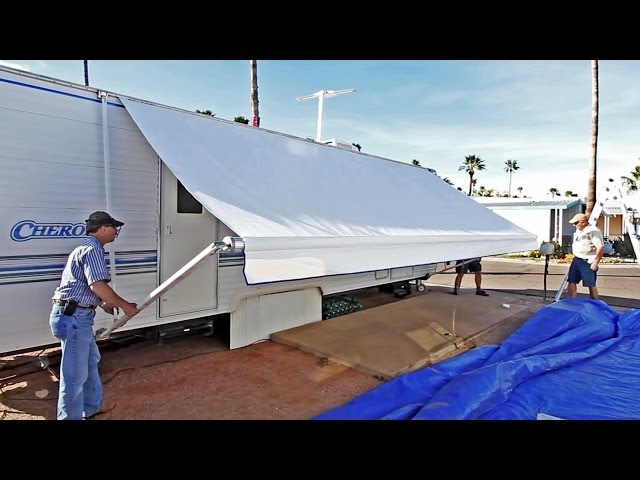
This point is heavy so if you're working alone like me then lower it the ground little bit by little by walking the legs far from the camper on each side individually up until you can lay it on the ground. After that I turned the legs back up and off the beaten track against the camper.
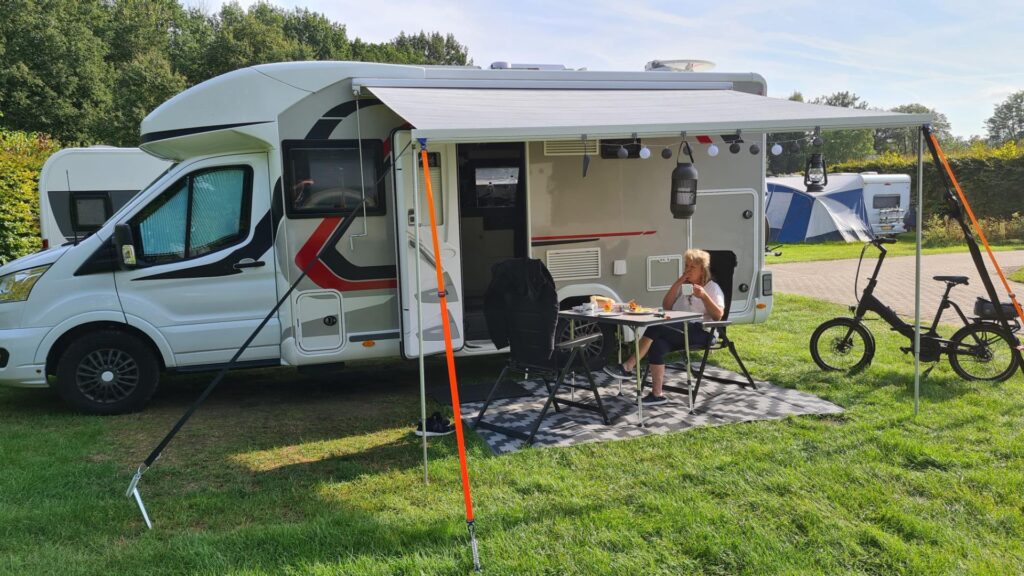
I leaned the legs back against the camper. As soon as the awning got on the ground I got rid of the little collection screw at the right end of the awning, (I eliminated the one at the left end earlier.) These screws maintain the awning canvas from gliding in the rail. Once they're eliminated the rail simply moves straight off the canvas by moving the whole rail away.
Pop Up Camper Canvas Repair Brea, CA
As soon as both established screws were removed I could slide the entire awning rail straight off the awning. Another look at the account of this trim molding (the awning rail) after it was removed. Woo hoo! The awning is off! The last step prior to I can get rid of the old roof decking is to subject the ends of it where the fiberglass panels overlap it at the front and rear of the camper.
The next thing holding down the rv fiberglass home siding panels is the edge trim molding revealed right here. It has a plastic screw cover strip inserted, so once again I simply tore up the plastic insert and pulled out sufficient so I could unscrew some screw heads.
I may finish up removing it later if I need to replace the luan plywood beneath this fiberglass transition. The roofing system decking plywood prolongs under the fiberglass skin at the rear of the camper. In order to replace it, this fiberglass change have to be raised. To lift that, the corner molding should be removed.
Then I could turn the trim mold and mildew off the side sufficient to raise up the edge of the fiberglass panel. As soon as I might swing that piece of edge molding off the side, I started to pry up the fiberglass panel. It has adhesive under it and little bits of rusted staples and sheared off screws still holding it in position.
Camper Awning Repair Brea, CA
At that factor I changed from a scraper to 6 inch broad taping knife. I loosened the other corner trim in the same method, and curved it sidewards just sufficient so that I can raise up the edge of the fiberglass panel.
I located a number of water damages in the plywood under the fiberglass panel so I'll possibly be replacing it. Which indicates I'll finish eliminating those edge trim items all the way down. Yet we'll get to that later. I had a significant quantity of water damage in the joint between the rounded corner and the roof covering deck.
Camper Repair Shop Near Me Brea, CA
It's just standing out with the staples. Lastly the edge of the roof covering decking is subjected at the rear of the camper! OK! I have actually exposed the roof substrate at the back edge of the camper. Currently its time to find the front edge. Exact same bargain again. Remove some screws from the edge trim holding down the fiberglass panel.
Once again, I pried that layer up too (there wasn't much stifling but adhesive at this factor) and afterwards I could pull out the remainder of the rubber roof that was glued below it. Currently I can draw out the last bit of rubber roofing from beneath the fiberglass and luan plywood.
Camper Repair Brea, CA
I discovered there were no bolts holding the roofing plywood down. I could see the blue styrofoam insulation underneath the damaged locations of luan plywood on the roofing. Notification there are no bolts at all holding down the roofing system plywood!
Once I scraped up several of the busted little bits I acquired a solid piece of plywood and began to pull. The entire thing started to pull up cleanly intact without harming the foam board insulation in any way. Now I could see the steel framing below. After that the plywood started peeling up as one piece, leaving all the styrofoam well undamaged.
There is a metal enhanced tape under that joins the pieces with each other. I don't know just how exactly they took care of to glue whatever down so well and get this tape joining them from the bottom, however it was well done. The items of roofing system ply are joined with each other at the joints beneath with a metal-reinforced tape.
Pop Up Camper Roof Replacement Brea, CA
I promptly understood the roofing system was shedding toughness and stiffness as I brought up the top layer, so cracked it off prior to the first seam. A close of the steel framing in the roofing system: one inch wide, one and a fifty percent inches tall. Right here's a detail of the circuitry in the insulation foam and the strong wood supports where the antennas screw right into the roofing system.
I discovered a number of water damage in the plywood under the fiberglass panel so I'll possibly be changing it. I had a significant quantity of water damages in the joint in between the rounded edge and the roof deck.
It's simply popping via the staples. Lastly the edge of the roofing outdoor decking is subjected at the back of the camper! OK! I've exposed the roofing substratum at the back edge of the camper. Now its time to discover the leading edge. Very same offer again. Eliminate some screws from the edge trim holding down the fiberglass panel.
Again, I pried that layer up too (there wasn't much quieting however adhesive now) and afterwards I can pull out the remainder of the rubber roof covering that was glued below it. Camper Trailer Repair Brea. Currently I can take out the last bit of rubber roofing from beneath the fiberglass and luan plywood
Camper Repair Brea, CA
I discovered there were no fasteners holding the roof covering plywood down. It was simply glued. So I began thoroughly peeling it up. I could see heaven styrofoam insulation below the harmed locations of luan plywood on the roof. Notice there are no fasteners whatsoever holding down the roof covering plywood! It is totally glued.
As soon as I scuffed up some of the broken little bits I got hold of a strong piece of plywood and started to draw. The whole thing started to draw up easily in one item without damaging the foam board insulation at all.
There is a metal strengthened tape under that joins the items together. I do not recognize how exactly they handled to glue everything down so well and get this tape joining them from the bottom, yet it was nicely done. The pieces of roofing system ply are joined together at the seams beneath with a metal-reinforced tape.
I quickly understood the roof was losing stamina and rigidity as I brought up the top layer, so fractured it off simply before the first joint. A close up of the metal framing in the roofing: one inch wide, one and a half inches tall. Below's an information of the circuitry in the insulation foam and the strong timber reinforcements where the antennas screw right into the roof covering.
Pop Up Camper Repair Near Me Brea, CACamper Roof Repair Brea, CA
Pop Up Camper Repair Brea, CA
Camping Repair Near Me Brea, CA
Camper Repair Near Me Brea, CA
Camper Awning Replacement Brea, CA
Camper Repair Shop Brea, CA
Rv Camper Ac Repair Brea, CA
Camper Repair Shops Near Me Brea, CA
Pop Up Camper Repair Brea, CA
Camper Trailer Repair Brea, CA
Camper Service Near Me Brea, CA
Camper Repair Shop Near Me Brea, CA
Camper Air Conditioner Repair Near Me Brea, CA
Camper Trailer Repair Brea, CA
Camper Air Conditioner Repair Near Me Brea, CA
Pop Up Camper Canvas Repair Brea, CA
Camper Service Near Me Brea, CA
Camper Air Conditioner Repair Near Me Brea, CA
Camper Trailer Service Near Me Brea, CA
Rv Camper Repair Brea, CA
Camper Service Brea, CA
Camper Air Conditioner Repair Near Me Brea, CA
Pop Up Camper Canvas Repair Brea, CA
Rv Camper Repair Brea, CA
Camper Service And Repair Brea, CA
Camper Trailer Repair Near Me Brea, CA
Camper Repair Shop Near Me Brea, CA
Camper Awning Repair Brea, CA
Camper Trailer Service Near Me Brea, CA
Camper Service Near Me Brea, CA
Camper Awning Replacement Brea, CA
Pop Up Camper Roof Replacement Brea, CA
Camper Trailer Repair Brea, CA
Camper Service Brea, CA
Camper Service Near Me Brea, CA
Pop Up Camper Repair Brea, CA
Camper Trailer Service Near Me Brea, CA
Pop Up Camper Roof Replacement Brea, CA
Camper Awning Replacement Brea, CA
Camper Roof Replacement Brea, CA
Camper Roof Repair Near Me Brea, CA
Camper Trailer Repair Near Me Brea, CA
Camper Services Brea, CA
Camper Service And Repair Brea, CA
Camper Repair Shops Near Me Brea, CA
Camper Repair Places Near Me Brea, CA
Camper Repair And Service Brea, CA
Camper Service Brea, CA
Pop Up Camper Canvas Repair Brea, CA
Rv Camper Ac Repair Brea, CA
Rv Camper Repair Brea, CA
Camper Trailer Repair Brea, CA
Camper Trailer Service Near Me Brea, CA
Camper Services Brea, CA
Camper Roof Replacement Brea, CA
Camper Service Center Brea, CA
Camper Repair Places Near Me Brea, CA
Camper Repair Shop Brea, CA
Camper Repair Shops Near Me Brea, CA
Pop Up Camper Roof Replacement Brea, CA
Camper Repair Shops Near Me Brea, CA
Camping Repair Near Me Brea, CA
Camper Roof Replacement Brea, CA
Camper Service And Repair Brea, CA
Camper Repair Places Near Me Brea, CA
Camper Awning Repair Brea, CA
Rv Camper Repair Near Me Brea, CA
Pop Up Camper Repair Brea, CA
Camper Repair Shop Brea, CA
Camping Repair Near Me Brea, CA
Camper Repair Shop Brea, CA
Camper Air Conditioner Repair Near Me Brea, CA
Camper Roof Repair Near Me Brea, CA
Pop Up Camper Roof Replacement Brea, CA
Camper Services Brea, CA
Camper Roof Repair Near Me Brea, CA
Rv Camper Repair Near Me Brea, CA
Finding A Local Seo Companies Brea, CA
Find Seo For Law Firms Brea, CA
OCRV Center

Table of Contents
- – Camper Repair Shop Brea, CA
- – OCRV Center
- – Camper Repair And Service Brea, CA
- – Rv Camper Repair Near Me Brea, CA
- – Camper Roof Repair Brea, CA
- – Camper Repair Shop Near Me Brea, CA
- – Camper Awning Repair Brea, CA
- – Pop Up Camper Canvas Repair Brea, CA
- – Camper Awning Repair Brea, CA
- – Camper Repair Shop Near Me Brea, CA
- – Camper Repair Brea, CA
- – Pop Up Camper Roof Replacement Brea, CA
- – Camper Repair Brea, CA
- – OCRV Center
Latest Posts
Upland Web Designers
Seo Company Local Diamond Bar
Internet Marketing Services Villa Park
More
Latest Posts
Upland Web Designers
Seo Company Local Diamond Bar
Internet Marketing Services Villa Park